KaufratgeberAktualisiert 30. Okt. 2026
How to import a Chinese electric car into Morocco (2026)
Diese Seite ist auf Englisch.
CRAVEUO EV Export · Sources last checked 2026-10-30 · General information, not legal advice. We do not clear customs in Morocco. Nothing here is a promise or a quote.
Quick answer
We could not open Morocco's customs tariff, so the duty rates below come from press and seller sites, not the official text. They put pure-electric cars at 2.5% duty, against 17.5% for ordinary cars. No source we found names plug-in hybrids, so do not treat 2.5% as settled for them. Import VAT is 20%, plus a 0.25% levy called TPI. The car also needs homologation, and the route depends on whether the brand has an accredited representative in Morocco.
Key facts
Duty, pure electric
What we found: 2.5%
Source strength: Médias24, quoting customs: search excerpt only, the article would not open. Electrodrive, a seller, says the same. Tariff not read
Duty, non-plug-in hybrid
What we found: 2.5% reported, not firm
Source strength: Electrodrive flags that older material put hybrids at 17.5%
Duty, plug-in hybrid
What we found: Not established
Source strength: No source names plug-ins. Sources only say "hybrid"
Duty, ordinary cars
What we found: 17.5%
Source strength: FNH: search excerpt only
Import VAT
What we found: 20%
Source strength: PwC, not an official source
TPI levy
What we found: 0.25% of the value of the imported goods
Source strength: PwC
Annual road tax (vignette)
What we found: Electric and hybrid cars are exempt. Plug-ins are not listed separately
Source strength: FNH, 2017, press
First-registration stamp duty
What we found: Electric and hybrid cars do not pay it
Source strength: Le Matin, quoting the tax office: search excerpt only
Excise (TIC) on passenger cars
What we found: We found no official basis that it applies
Source strength: PwC names only tobacco, alcohol and lubricants, as examples. A blog says it depends on engine size and power; we could not open it
Used cars
What we found: Under 5 years old need single-vehicle approval
Source strength: Details in the used-car section
Steering
What we found: No rule found. China-market cars are left-hand drive
Source strength: Not found in Order 2730-10 as reprinted
| Item | What we found | Source strength |
|---|---|---|
| Duty, pure electric | 2.5% | Médias24, quoting customs: search excerpt only, the article would not open. Electrodrive, a seller, says the same. Tariff not read |
| Duty, non-plug-in hybrid | 2.5% reported, not firm | Electrodrive flags that older material put hybrids at 17.5% |
| Duty, plug-in hybrid | Not established | No source names plug-ins. Sources only say "hybrid" |
| Duty, ordinary cars | 17.5% | FNH: search excerpt only |
| Import VAT | 20% | PwC, not an official source |
| TPI levy | 0.25% of the value of the imported goods | PwC |
| Annual road tax (vignette) | Electric and hybrid cars are exempt. Plug-ins are not listed separately | FNH, 2017, press |
| First-registration stamp duty | Electric and hybrid cars do not pay it | Le Matin, quoting the tax office: search excerpt only |
| Excise (TIC) on passenger cars | We found no official basis that it applies | PwC names only tobacco, alcohol and lubricants, as examples. A blog says it depends on engine size and power; we could not open it |
| Used cars | Under 5 years old need single-vehicle approval | Details in the used-car section |
| Steering | No rule found. China-market cars are left-hand drive | Not found in Order 2730-10 as reprinted |
Limits of the duty figures
Morocco's customs site refused our requests. We did not read the tariff lines for 8703.40, 8703.60 or 8703.80, the customs circulars, or the customs simulator. A 2020 circular, No. 6057/232, appears to deal with hybrid classification, but we could not read it.
The sources also disagree:
- Origin. FNH says 2.5% applies whatever the origin. Maroctl gives hybrids 2.5% to 17.5% depending on trade agreement and origin.
- Where the hybrid rate comes from. Bladi names the 2011 finance law. TelQuel names the 2010 one (search excerpt only).
- Abolition. In 2016 the press reported a plan to remove duty on hybrid and electric cars from 2017. Later sources still show 2.5%, so we understand this was not carried out.
- VAT. A seller site says it checked Article 99-A of the 2026 tax code and found no VAT exemption for electric cars. AutoActu and a 2017 TelQuel article say electric cars are exempt. We saw no official text for an exemption, and we did not read the tax code ourselves.
Stamp duty may also move. The 2027 draft finance bill would raise each rate by 20% in relative terms, with the thresholds unchanged. This is a draft, from one outlet, and we could not open the article. We did not find what it means for electric cars.
Before you order, ask a licensed customs broker for the rates on your exact tariff line.
Who can import
We found no text that says whether a private person needs importer status. We understand a private buyer can import a new car: Order 2711-10 has a registration route for cars bought abroad, and a Le Matin excerpt mentions customs collecting stamp duty when an owner imports the car himself. That is our reading, not a rule we can quote. We also understand that buying cars for resale goes through PortNet and bank procedures.
Homologation
Order 2730-10, as reprinted by Maroctl and amended by Orders 1282-11 and 711-13, splits new cars into two routes:
The maker has an accredited representative in Morocco
Type approval (Art. 2)
The maker has no accredited representative
Single-vehicle approval (Art. 11)
| Situation | Route |
|---|---|
| The maker has an accredited representative in Morocco | Type approval (Art. 2) |
| The maker has no accredited representative | Single-vehicle approval (Art. 11) |
The technical basis is Morocco's Annex II, or UNECE, EU, FMVSS, CMVSS or GSO rules. The text does not list Chinese national standards.
Our reading: a new car brought in outside the brand's accredited channel has no clear single-vehicle route. Ask NARSA, the road-safety agency, to confirm this before you buy. We could not reach NARSA's site.
Used cars
Cars imported used and under five years old need single-vehicle approval (Decree 2-10-421, Art. 96). Decree 2-12-494 replaced that article in 2013, with transition rules. The PDF is a scan and we did not read its current text. A search excerpt says the five-year rule returned after the transition.
AutoActu, a seller site, says ordinary private buyers are limited to five years, and Moroccans living abroad aged 60 or over can bring a car up to 10 years old with a 90% tax reduction. Sources differ on where the five years start: first registration, the customs declaration or the build date.
Registering the car
Order 2711-10 lists these documents for a car bought abroad:
- Application form and proof of residence
- Invoice for a new car, or the original registration card for a used one
- Technical inspection report for a used car, validated by the national testing centre (CNEH)
- Identification and homologation documents
- Customs clearance proof and proof of payment
Charging and ports
CCS2 and Type 2 appear only on a country reference site. We found no official Moroccan standard. China-market cars charge on GB/T, so ask which plug your car has before you order.
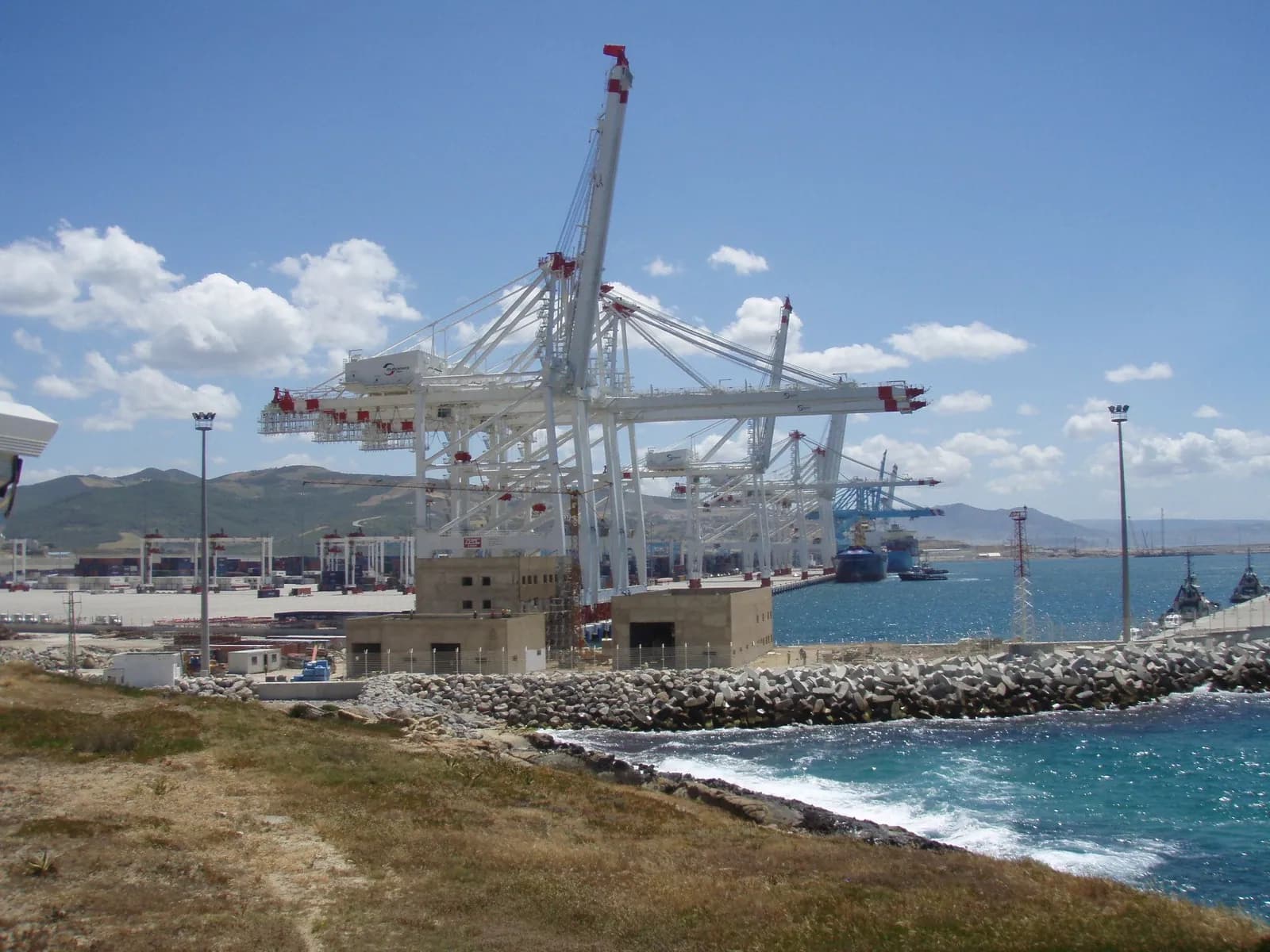
Casablanca and Tanger Med are Morocco's main ports. We found no official document that names where cars must enter.
Models to ask about
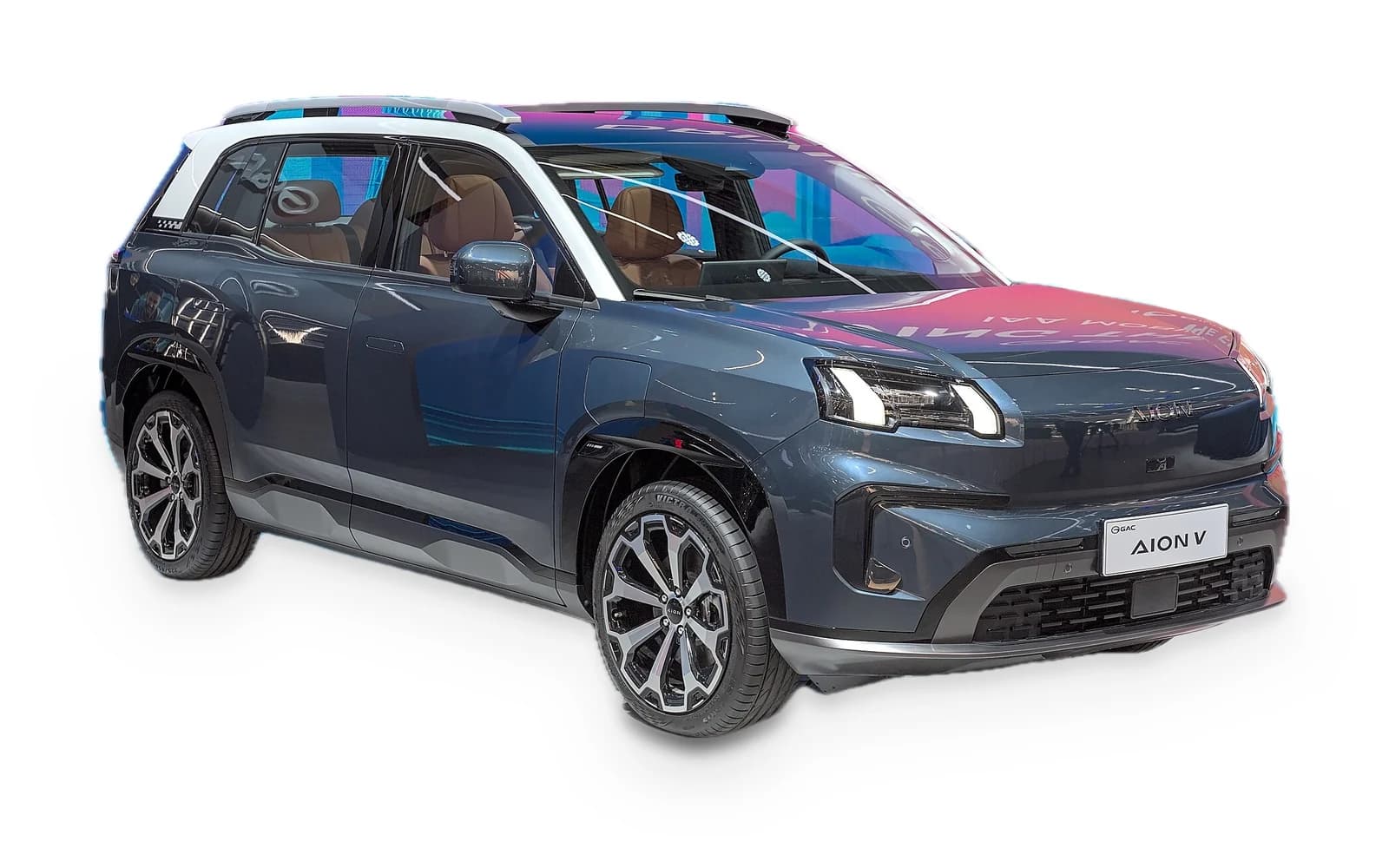
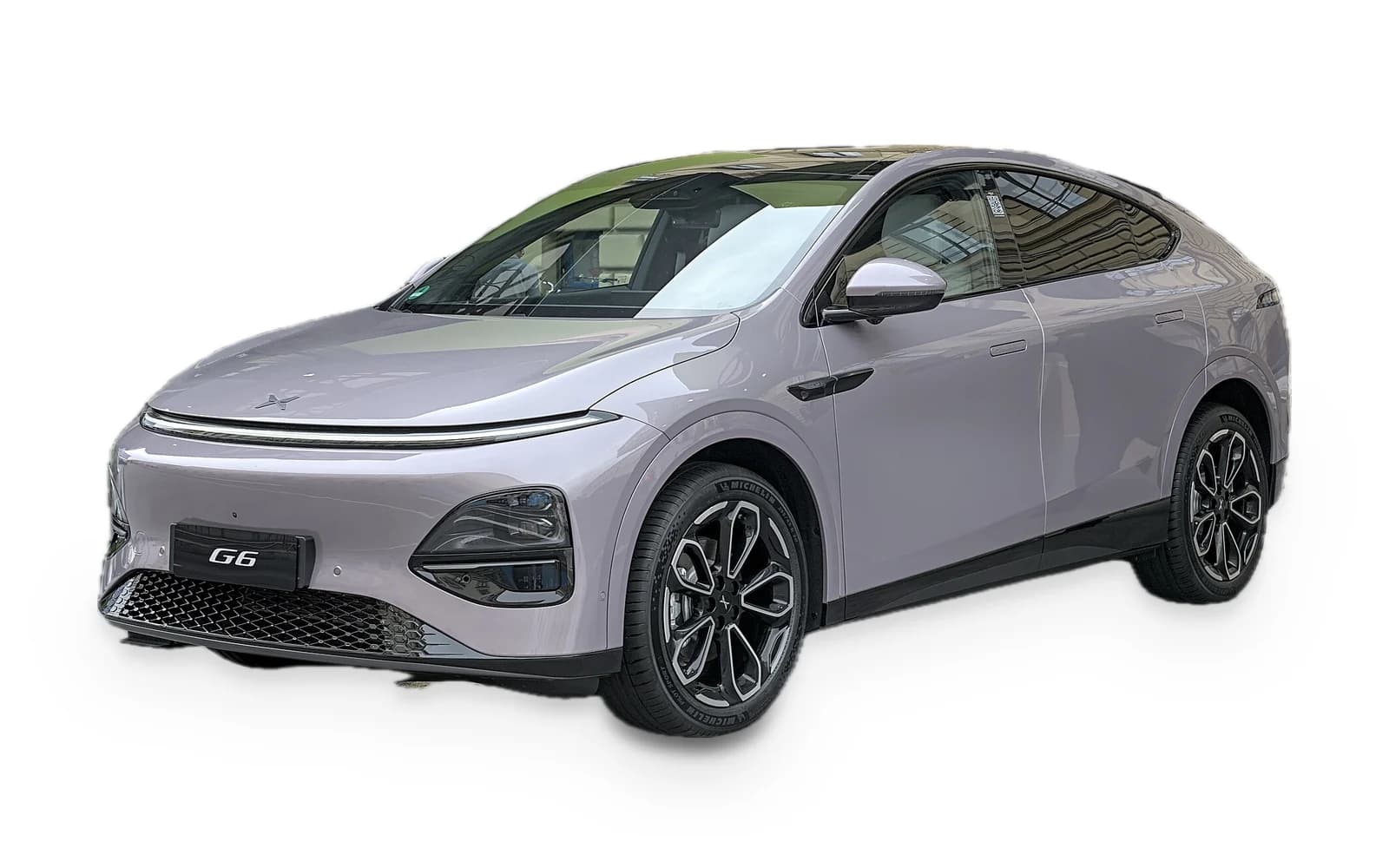
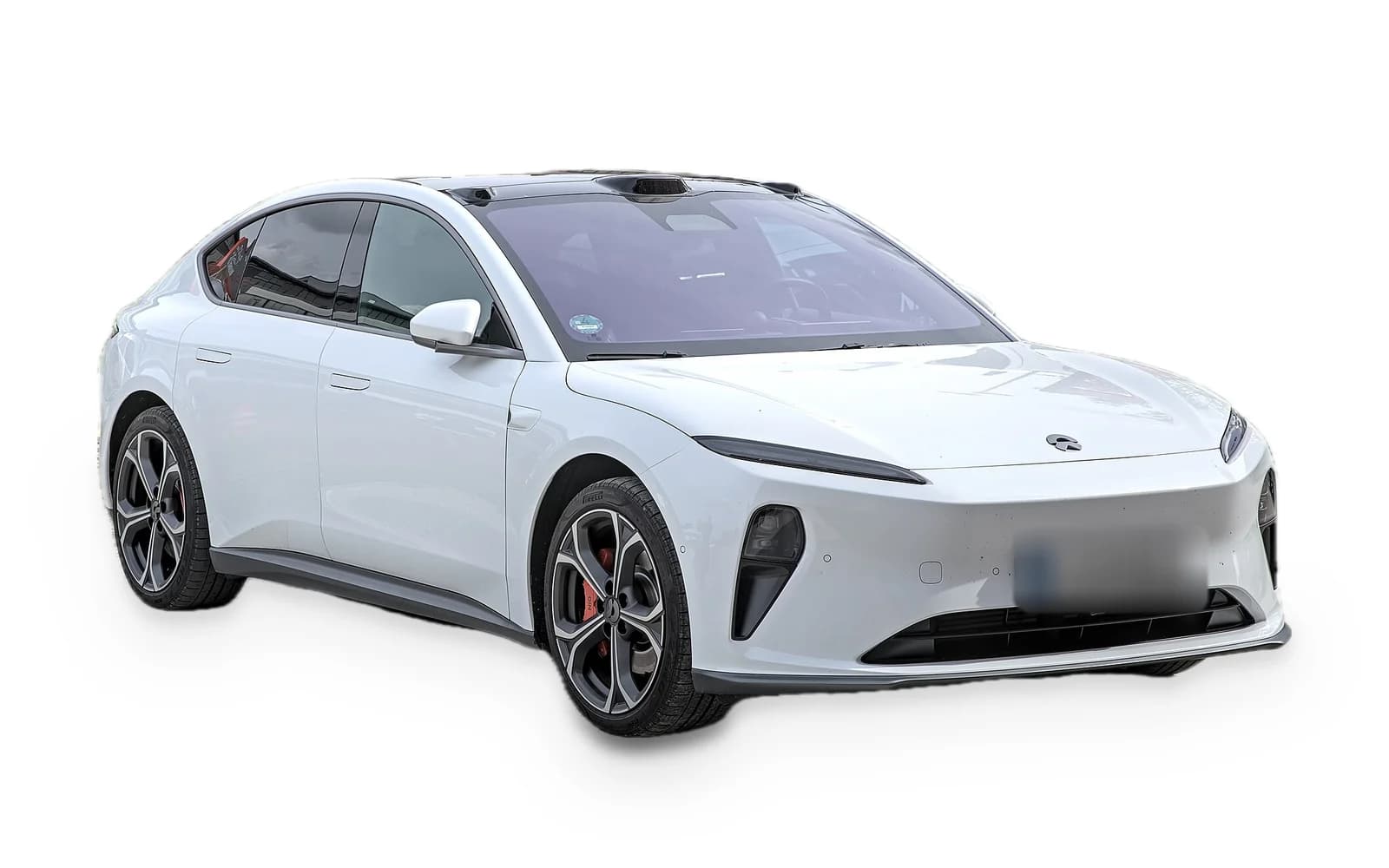
China guide prices, not delivered prices. All are pure electric.
Type: Battery-electric
China guide price from: ¥109,800
Type: Battery-electric
China guide price from: ¥176,800
Type: Battery-electric
China guide price from: ¥298,000
| Model | Type | China guide price from |
|---|---|---|
| Aion V | Battery-electric | ¥109,800 |
| XPeng G6 | Battery-electric | ¥176,800 |
| NIO ET5 | Battery-electric | ¥298,000 |
Send your city, model and version through the inquiry form. We tell you whether we can supply that car before any contract.
How an order works
- Ask a Moroccan customs broker for the duty, VAT and other charges on your exact version.
- Ask NARSA which homologation route applies to that brand and model.
- Get a written quote from the licensed Chinese export company named in the contract.
- Sign the contract. Nothing is paid before it is signed, and payment goes only to the company account on the invoice.
- Your broker clears the car. Then register it with the documents above.
Häufige Fragen
What duty does an electric car pay in Morocco?
Do plug-in hybrids also pay 2.5%?
Is VAT 20% on electric cars?
Can a private person import a new car?
Can I import a used electric car?
Fahrzeuge für den Einstieg
Möchten Sie eines dieser Fahrzeuge in Ihr Land verschiffen lassen?
Nennen Sie uns Ihr Land und die Version; wir antworten innerhalb eines Werktags mit einem FOB-Richtpreis und dem Exportweg.
Sources (checked 2026-10-30)
- PwC: Morocco, other taxes, not official
- Médias24: importing an electric car, 2026-01-01, search excerpt only
- Electrodrive: tax guide, 2026-07-13, seller
- Bladi: hybrid duty, 2010-10-22
- FNH: hybrid and electric cars, search excerpt only
- Wandaloo: 2016 report on removing duty, 2016-10-28
- Moteur-electrique.ma: tax guide, checked by the site on 2026-08-15, seller
- FNH: road-tax exemption, 2017-01-19
- Le Matin: stamp duty and the 2027 draft, 2026, search excerpt only
- Decree 2-10-421, Art. 96, reprinted by CCME, 2010
- Decree 2-12-494, scanned copy, 2013, text not read
- AutoActu: cars over 5 years, 2025-12-05, seller
- Order 2711-10 on registration, reprinted by Maroctl, 2010
- Order 2730-10 on homologation, reprinted by Maroctl, 2010
- ADII circular 6057/232, 2020-06-01, could not be opened
- World Standards: EV connectors by country, reference site
Dieser Leitfaden ist keine Rechts- oder Zollberatung; maßgeblich sind der Zoll des Ziellandes und ein zugelassener Zollagent.