
KaufratgeberAktualisiert 30. Okt. 2026
How to Import a New Chinese EV into Kazakhstan in 2026
Diese Seite ist auf Englisch.
Updated 30 Oct 2026. Craveuo sells new-energy vehicles FOB China through authorised exporters. We do not handle destination customs, so use a licensed Kazakh customs broker. Nothing here is a promise or a quote from Craveuo.
Short answer
Since late September 2026 (press gives 26 or 28 Sep) a private person gets an electronic vehicle passport (ЭПТС) and safety certificate (СБКТС) only for a car imported under a passenger customs declaration (ПТД), under five years old, one car a person a year. This comes from press reports of official statements; we did not find the order number. Press puts the private payment at about 31% of customs value. We read that as 15% plus 16%, and we read the new rule as closing the WTO 0% rate to private buyers; we found no KGD confirmation of either. A company clears a new car only under a vehicle type approval (OTTS) and only if it is the named holder. The duty-free EV quota ended in 2025. Only left-hand-drive cars can be registered, and Craveuo requires an end-user declaration, payment from the buyer's own country and proof of local registration on every Kazakhstan order.
Who can import a new car
- Companies. Companies import new cars under an OTTS (vehicle type approval) (Tengrinews, 15 Oct 2026), and the declarant must be the person named in that approval (Minfin announcement of 18 Nov 2024, as reported by Respublika). In practice that means official distributors and dealers. A trading company without an OTTS cannot clear a new car for sale. Commercial imports use a goods declaration (ДТ): customs fee, duty and 16% VAT (Kursiv, 1 Oct 2026).
- Sole proprietors. Tengrinews (15 Oct 2026) says a sole proprietor can use a simplified SBKTS route for some cars. A 2024 report grouped them with companies. Ask a customs broker.
- Private persons. For a private person, the ЭПТС and SBKTS (individual vehicle safety certificate) are issued only for a car imported under a passenger customs declaration (ПТД), and the owner must be the declarant (Kursiv, 1 Oct 2026). The ЭПТС covers cars built no more than five years ago, one per person per year (Tengrinews, 15 Oct 2026). An SBKTS for a car from a non-Union country is limited to once a calendar year (Ranking, 19 Oct 2026). For brands with no official distributor in the Eurasian Economic Union, there is no OTTS, so an SBKTS per car is the private route (Respublika, Nov 2024, which gives Li Auto as an example; press only). Commercial use of a personally imported car is not allowed (Kolesa, Dec 2024).
- How firm this is. All of the above is press reporting of official statements. It is linked to an order of the industry minister dated 23 Sep 2026; we did not find its number or text. Press gives two start dates: 26 Sep (Ranking, Uralskweek) and 28 Sep (Kursiv, Kolesa).
- Euro 5. A Euro-5 threshold, and a legal five-year limit, were still in preparation on 19 Oct 2026, with Euro-4 the current threshold for private imports (Ranking). Tengrinews (15 Oct 2026) reports Euro-5 for first admission. Whether it applies to pure-electric cars: not found.
Compliance first: what Craveuo requires
Before any order we ask for the following.
- A signed end-user declaration that the car stays in Kazakhstan and will not be resold or transferred to any sanctioned destination.
- Payment only from a bank account in the buyer's own country, in the buyer's own name. We do not accept third-party or other-country payers.
- The VIN recorded in the contract, and a copy of the Kazakh registration certificate and plates once the car is registered.
We screen buyers and end users against sanction lists and may decline an order. This is a business policy, not legal advice. Cars cleared on the WTO-rate route also cannot be taken out of Kazakhstan to other Union states (see below).
Duty, VAT and fees
- The duty-free quota is over. Kazakhstan's duty-free quota of 15,000 electric cars for 2025 was used up by 14 Oct 2025 (State Revenue Committee, KGD, via BES.media; inbusiness.kz gives 15 Oct, and another report says more than 17,000 cars). A KGD expert said that from 2026 EVs are imported "on the general basis" and that the Union decided not to extend the quota (BES.media, 24 Feb 2026). EEC Council Decision 107, as amended by Decision 111 of 5 Dec 2025, gives the 2026 duty-free personal import only to Belarus, Armenia and Kyrgyzstan, and bars transferring those cars to citizens or residents of Kazakhstan.
- WTO 0% list. EEC Council Decision 110 of 23 Dec 2025, in force from 1 Jan 2026, lists codes 8703 80 000 3, 4, 5 and 8 at 0 on Kazakhstan's WTO list. Codes 3 and 4 are cars charged only from an external source; 5 and 8 are the others. The Union common rate on all four codes is 15 (Belarus customs note). The text does not limit who the importer is. New cars from companies need an OTTS, so we read the 0% as falling mainly on companies that hold one; we found no official statement of this. These cars cannot be exported to other Union states (BES.media, 11 Nov 2025).
- Private import under ПТД. Kolesa (30 Sep 2026, updated 7 Oct) counts about 31% of customs value for a pure-electric car, based on the Union 15% rate and not the WTO 0%, with no recycling fee to pay. Decision 107, Annex 2, Table 2, item 4 sets a single customs payment for pure-electric cars but shows no percentage. We read 31% as 15% plus 16%. Because a private buyer's ЭПТС now requires a ПТД, we read the WTO 0% and goods-declaration routes as closed to private buyers. Both points are our inference. We found no KGD confirmation for electric cars. KGD says there are no new rates and that it separates personal from business imports by purpose (Tengrinews, 15 Oct 2026).
- Plug-in and range-extender cars. Plug-in hybrids fall under item 3 of the same table: 54% or 48% for cars up to three years old, with a floor by engine size. Whether a range-extender car counts as pure electric under item 4 is not confirmed.
- VAT. 16% from 1 Jan 2026, up from 12% (Kursiv, 16 Sep 2025, citing Article 503 of the Tax Code, which we did not open; BES.media).
- Customs fee. 6 MRP. With the 2026 MRP of 4,325 tenge, that is 25,950 tenge (Kolesa, Sep 2026).
- Recycling fee (утильсбор). Government Decree 808 of 10 Sep 2026, amending Decree 763 of 2021, lets electric cars with a coefficient of 0 skip the payment step. You must still apply: the operator issues the certificate with the invoice. A private person needs the certificate before release, or before sale if selling an unregistered car. The zero coefficient itself sits in the fee calculation method, which we did not open. Hybrids pay by engine size.
- Companies. Goods declaration, customs fee, duty and 16% VAT (Kursiv, 1 Oct 2026). We found no official table saying when a company pays 15% and when 0%, so ask a licensed customs broker.
Estimate for a USD 30,000 customs-value electric car, private import under ПТД
Single payment, about 31% (press figure, not an official rate)
about USD 9,300
Customs fee (about 25,950 tenge, about USD 50)
Kolesa says included, but adds it separately in its petrol example. To be confirmed
Recycling fee
No payment, certificate still required
| Item | Amount |
|---|---|
| Single payment, about 31% (press figure, not an official rate) | about USD 9,300 |
| Customs fee (about 25,950 tenge, about USD 50) | Kolesa says included, but adds it separately in its petrol example. To be confirmed |
| Recycling fee | No payment, certificate still required |
The tenge figures use 520 tenge per dollar, the rate BES.media used. Excluded: freight to the border, insurance, broker, certification, registration and inland transport. Confirm every line with a licensed customs broker.
Certification and registration
- OTTS or SBKTS. The OTTS requirement rests on the Union technical regulation on wheeled vehicle safety of 9 Dec 2011 (Respublika). We found no list of Chinese electric models that already hold an OTTS in Kazakhstan, so this is to be confirmed per model.
- Electronic vehicle passport. Registration needs an ЭПТС record. We found no official step list, so the documents and fees are to be confirmed with the broker.
- Registration. A pilot let the seller, usually a dealer, file first registration online through eGov, with the VIN, followed by one visit to a public service centre for the certificate and plates. The pilot was announced to run to 31 Aug 2026 (Digital Business, 16 Oct 2025), and its status now is to be confirmed.
- Left-hand drive only. Press reports that the law bans first registration of right-hand-drive vehicles, and that import of such cars has been barred since 2007 (Digital Business, 22 Sep 2026). We did not open the legal text. Registration of right-hand-drive cars has been prohibited since 2007 while use was not (Tengrinews, 8 Jan 2024). Order left-hand drive.
Shipping
Kazakhstan has no sea coast, so cars arrive by rail or truck through the border crossings with China. We found no reliable 2026 transit time for new cars from China to Kazakhstan, so this is to be confirmed with a forwarder. Ask whether the forwarder can carry electric cars on the chosen route, because dangerous-goods rules for batteries differ by mode.
Payment and fraud
- Sign a written contract before any deposit.
- Pay only to the seller's named account, after checking the seller's identity.
- If bank details change, verify by phone using a number you already hold.
- Be wary of prices far below market and of sellers who refuse a contract.
Häufige Fragen
Can a trading company import a new Chinese EV into Kazakhstan?
Is the EV duty exemption still valid in Kazakhstan in 2026?
How much tax does an EV pay when imported into Kazakhstan?
Do electric cars pay the recycling fee in Kazakhstan?
Can I register a right-hand-drive EV in Kazakhstan?
What does Craveuo require from buyers in Kazakhstan?
Fahrzeuge für den Einstieg
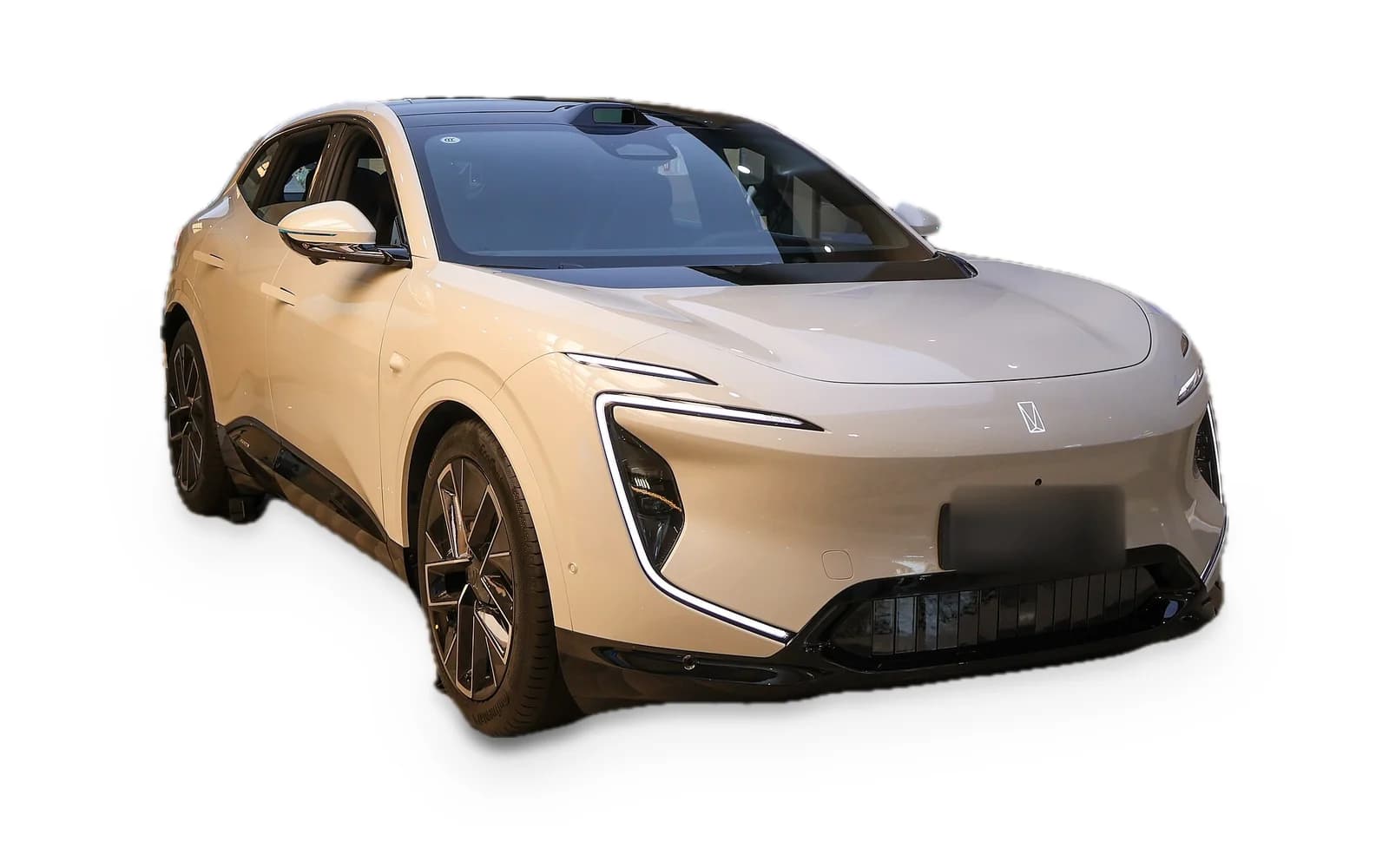
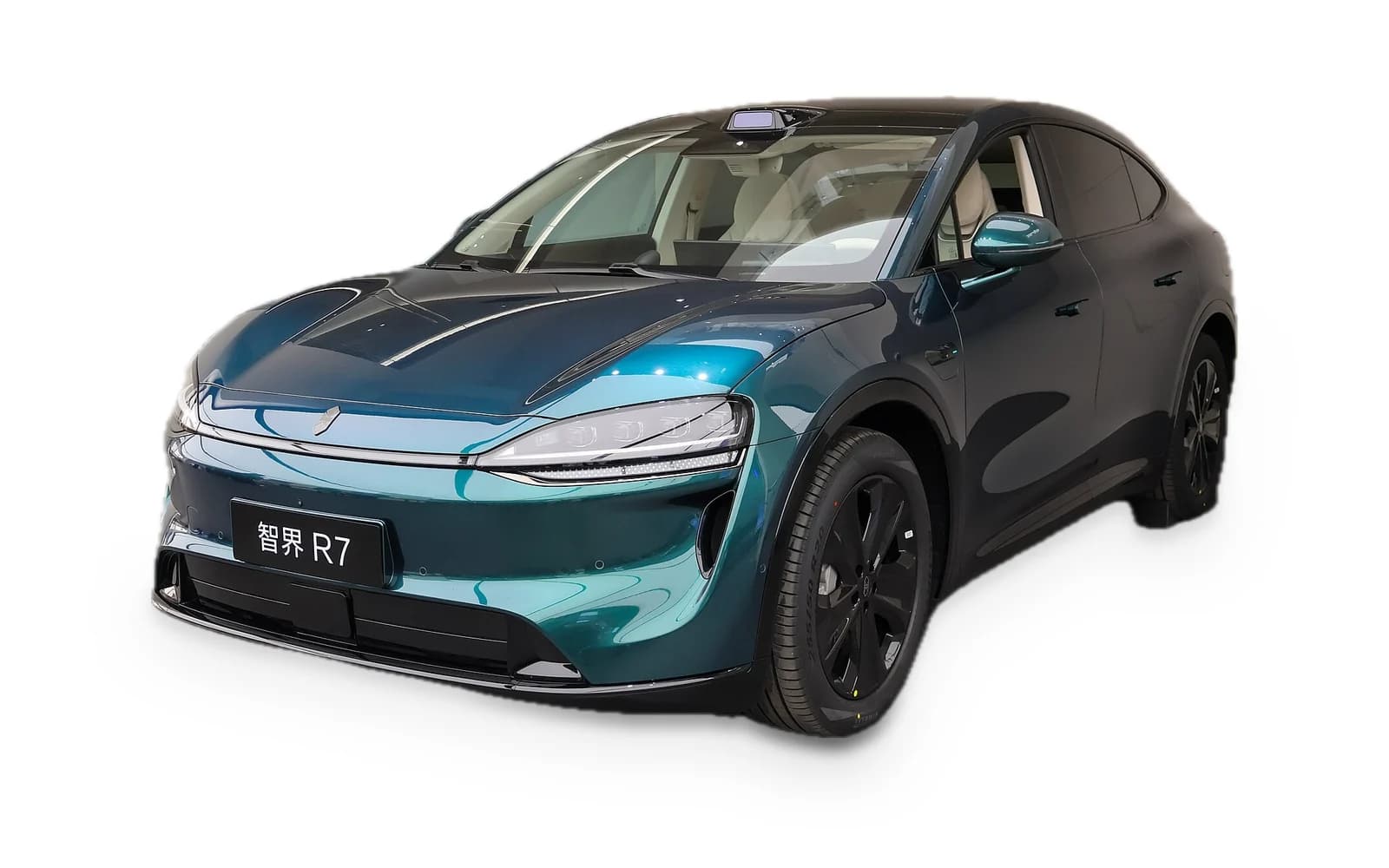
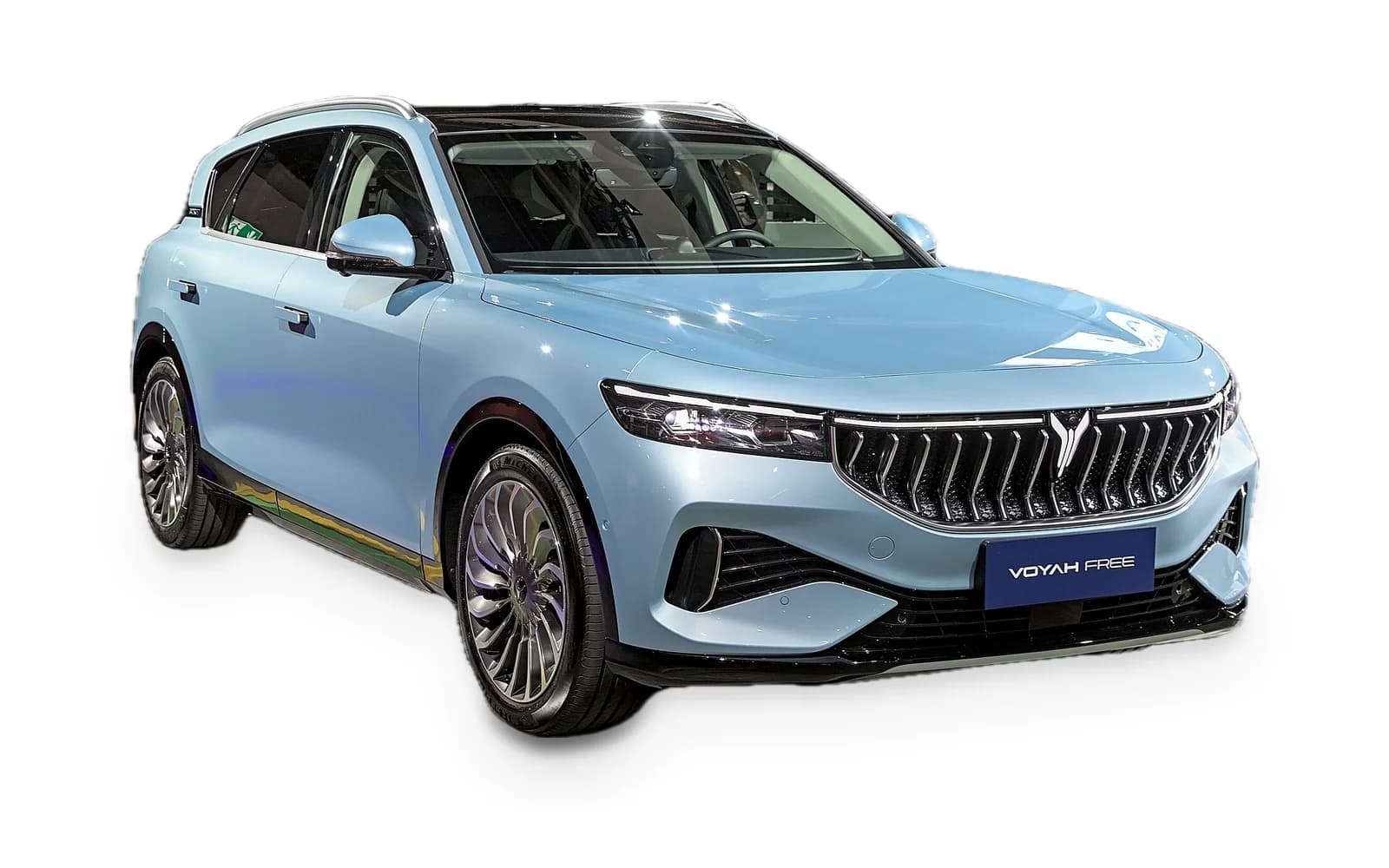
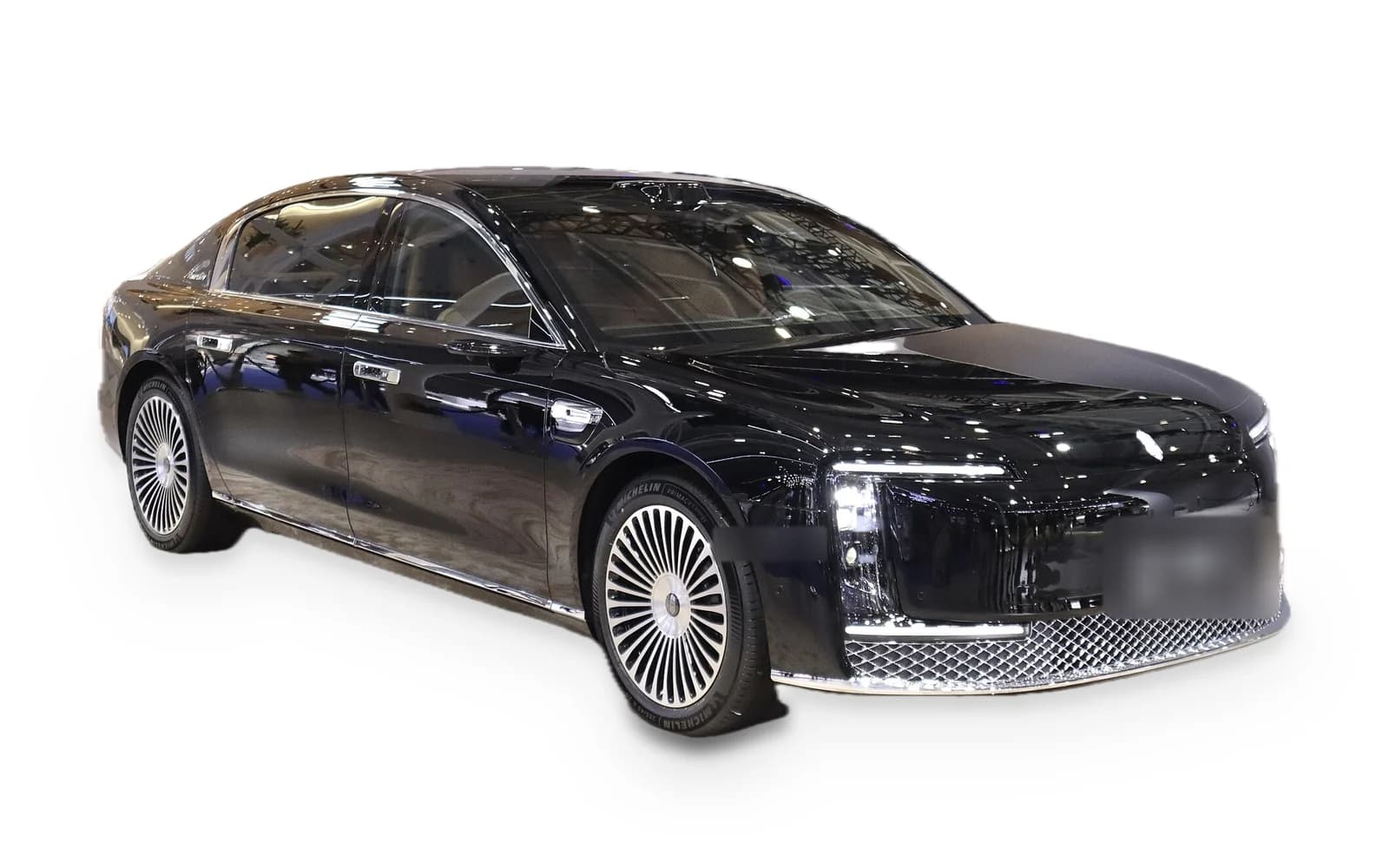
Möchten Sie eines dieser Fahrzeuge in Ihr Land verschiffen lassen?
Nennen Sie uns Ihr Land und die Version; wir antworten innerhalb eines Werktags mit einem FOB-Richtpreis und dem Exportweg.
Sources
- BES.media, KGD reply on 2026 routes, 11 Nov 2025 and BES.media, KGD expert, 24 Feb 2026 (media quoting KGD)
- inbusiness.kz, quota used up, 16 Oct 2025
- EEC Council Decision 107, as amended by Decision 111 of 5 Dec 2025 (official text, Belarus legal portal)
- EEC Council Decision 110, 23 Dec 2025 (official text, reprinted) and Belarus customs note on EV codes
- Government of Kazakhstan, Decree 808, 10 Sep 2026 (official text)
- Kursiv, VAT 16% on EVs from 2026, 16 Sep 2025
- Kursiv, ПТД rule explained, 1 Oct 2026 (media quoting officials)
- Tengrinews, new import rules, 15 Oct 2026 (media)
- Ranking.kz, 19 Oct 2026 (media)
- Uralskweek, 27 Sep 2026 (media)
- Kolesa.kz, private import costs, 30 Sep 2026, updated 7 Oct (media)
- Kursiv, new ЭПТС and SBKTS limits, 28 Sep 2026
- Kolesa.kz, rules from 1 Dec 2024
- Respublika, OTTS rules
- Digital Business, right-hand-drive cars, 22 Sep 2026 and Tengrinews, 8 Jan 2024
- Digital Business, online first registration pilot, 16 Oct 2025
Dieser Leitfaden ist keine Rechts- oder Zollberatung; maßgeblich sind der Zoll des Ziellandes und ein zugelassener Zollagent.