KaufratgeberAktualisiert 1. Nov. 2026
How to store an electric car for weeks or months (2026)
Diese Seite ist auf Englisch.
CRAVEUO EV Export · Sources last checked 2026-11-01 · General information. Your owner's manual comes first. Nothing here is a promise or a quote.
Quick answer
Yes, you can leave an electric car unused for months if you prepare it. Many makers suggest a charge of about 40% to 60%, a cool and dry place, and a top-up every month to three months. Never let the battery run down to empty while the car sits, because the damage may not be covered by the warranty. Rules differ by maker, and the 12V battery often needs its own care.
What makers say
BYD Atto 3
Charge level: 40% to 60% if parked over 7 days. Over 3 months: fully charge, then discharge to 40% to 60%
How often: Monthly start suggested
Source: Manual, printed pp. 96, 167
XPENG (Australia)
Charge level: 30% to 60%
How often: Check every 3 months; another guide says about monthly
Source: Battery care, storage
Kia
Charge level: Not stated
How often: Charge once every 3 months
Source: Manual
Ford Mustang Mach-E
Charge level: About 50% for 30 days or more
How often: Not stated here
Source: AAA
Hyundai
Charge level: 70% to 80%
How often: Not stated here
Source: AAA
| Car | Charge level | How often | Source |
|---|---|---|---|
| BYD Atto 3 | 40% to 60% if parked over 7 days. Over 3 months: fully charge, then discharge to 40% to 60% | Monthly start suggested | Manual, printed pp. 96, 167 |
| XPENG (Australia) | 30% to 60% | Check every 3 months; another guide says about monthly | Battery care, storage |
| Kia | Not stated | Charge once every 3 months | Manual |
| Ford Mustang Mach-E | About 50% for 30 days or more | Not stated here | AAA |
| Hyundai | 70% to 80% | Not stated here | AAA |
Recurrent's list by brand shows just as much variety. Some makers want the car plugged in with a low limit. Others want it unplugged. Recurrent gives Hyundai advice that differs from AAA's, so check your own manual.
Before you leave the car
- Set the charge. Use your manual's figure. For the Atto 3, BYD says 40% to 60% (printed p. 96).
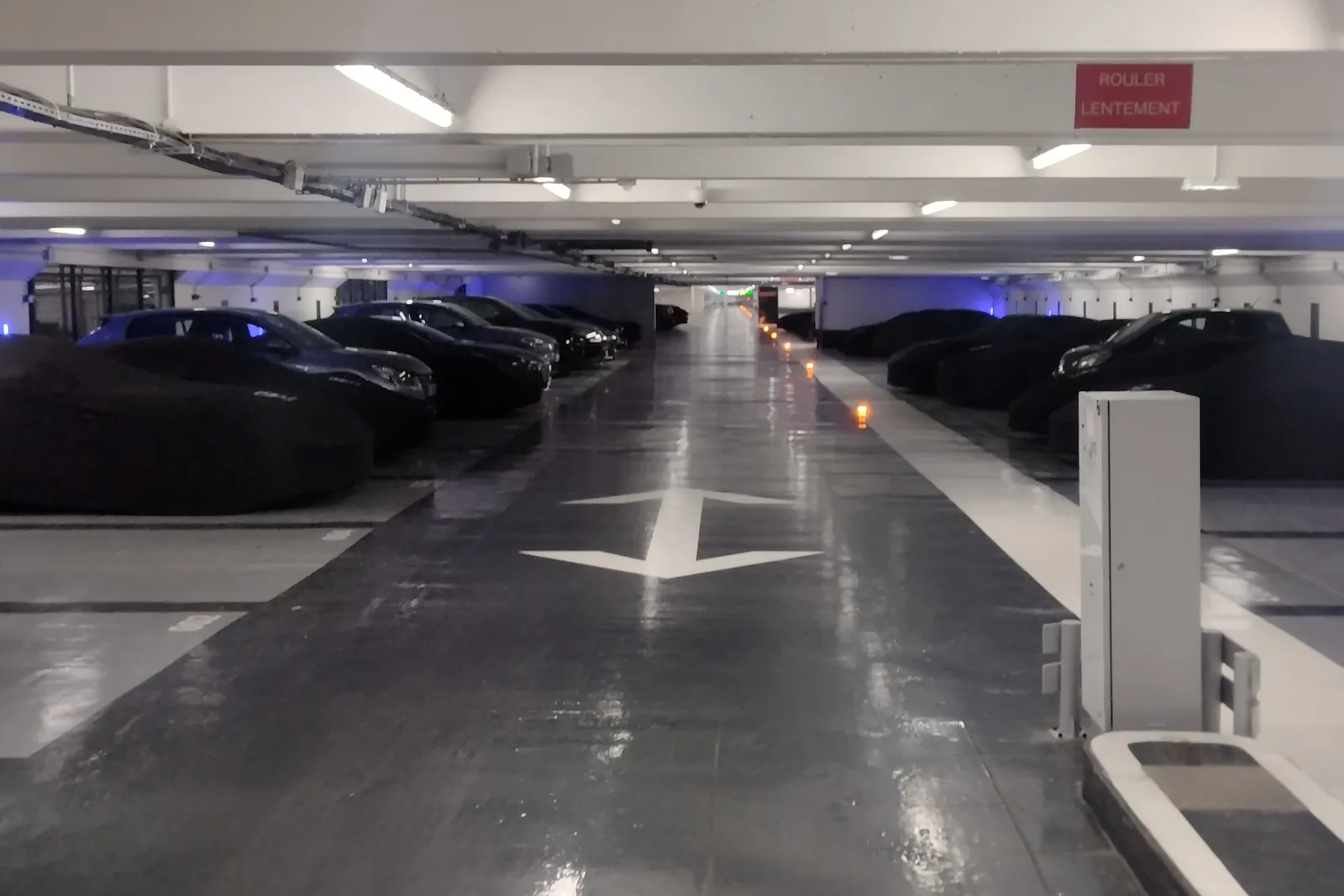
- Choose the place. BYD says to park indoors if possible (printed p. 167). XPENG says cool, dry and ventilated, and to avoid low, damp spots. Kia warns that high temperatures can reduce capacity.
- Protect the 12V battery. BYD's list says to disconnect its negative terminal (printed p. 167) for stops over a month. AAA mentions a battery tender as another option. Check what stops working once it is disconnected.
- Clean and dry it. BYD says to clean the body and dry the carpets and mats (printed p. 167).
- Handle the small things. BYD lists:
- Release the parking brake and select P.
- Open one window slightly if stored indoors.
- Keep the wiper arm off the glass with a folded cloth.
- Use a breathable cover, not plastic sheeting, which traps moisture.
- Think about pests and tyres. AAA says to choose a rodent-free place, because nests can damage wiring. Recurrent says to inflate tyres to the recommended pressure.
- Keep your insurance active. Recurrent lists this too. Ask your insurer about the rules for an unused car.
Plug in or not?
It depends on the maker. Recurrent's list shows Tesla, Audi and BMW among those favouring plugged-in storage, and Ford and Nissan among those favouring unplugged. If your car stays plugged in, set the limit your manual gives, not 100%.
How much charge will it lose?
Recurrent says to expect a few percentage points a month, and more on cars with many online features. Kia says charge can gradually decrease when a car is idle. Our suggestion: measure it. Note the charge when you leave and again after a week if you can, and adjust.
Tesla owners are told to limit app checks and turn off Sentry Mode, according to Recurrent. The idea carries over: fewer wake-ups use less energy.
The warranty risk
BYD is clear. If a car left for over three months is not prepared, over-discharge may degrade or damage the battery (printed p. 96), and the resulting fault will not be warranted. XPENG says never leave a high-voltage battery fully discharged.
When you come back
- Reconnect the 12V battery if you disconnected it.
- Check tyre pressures. XPENG says they may be slightly low after weeks parked.
- Fully charge the car. BYD says the charge reading may be wrong (printed p. 93) after a long idle period, and recommends this first. See our charging guide.
- Look under the car and in the boot for pests or damp.
- BYD says to take the car to a dealer or service provider (printed p. 167) if it has been parked for a year or more.
Häufige Fragen
Can a car sit for 6 months?
Why not store it full?
Is it safe to store an EV in a very hot place?
And in a very cold place?
I just received an imported car that sat for weeks. Is that a problem?
Möchten Sie eines dieser Fahrzeuge in Ihr Land verschiffen lassen?
Nennen Sie uns Ihr Land und die Version; wir antworten innerhalb eines Werktags mit einem FOB-Richtpreis und dem Exportweg.
Sources (checked 2026-11-01)
- BYD: Atto 3 owner's manual, English edition; printed page numbers
- XPENG Australia: EV long-term storage, maker's guide
- XPENG Australia: EV battery care, maker's guide
- Kia: high-voltage battery, owner's manual
- AAA Club Alliance: storing an EV over the winter
- Recurrent: how to store your electric car
Dieser Leitfaden ist keine Rechts- oder Zollberatung; maßgeblich sind der Zoll des Ziellandes und ein zugelassener Zollagent.